Friendships are one of the most important parts of a child’s school experience. They help young people feel connected, supported and understood. But as many parents know, friendships can also be complicated. Disagreements, misunderstandings, hurt feelings and social challenges are a normal part of growing up — and increasingly, many students are seeking support in this area.
While it can be difficult to watch our children struggle socially, these moments also provide valuable opportunities to build communication skills, empathy, resilience and emotional maturity. As adults, one of the most helpful things we can do is guide children through friendship conflict rather than immediately trying to solve it for them.
How Parents Can Support
Listening
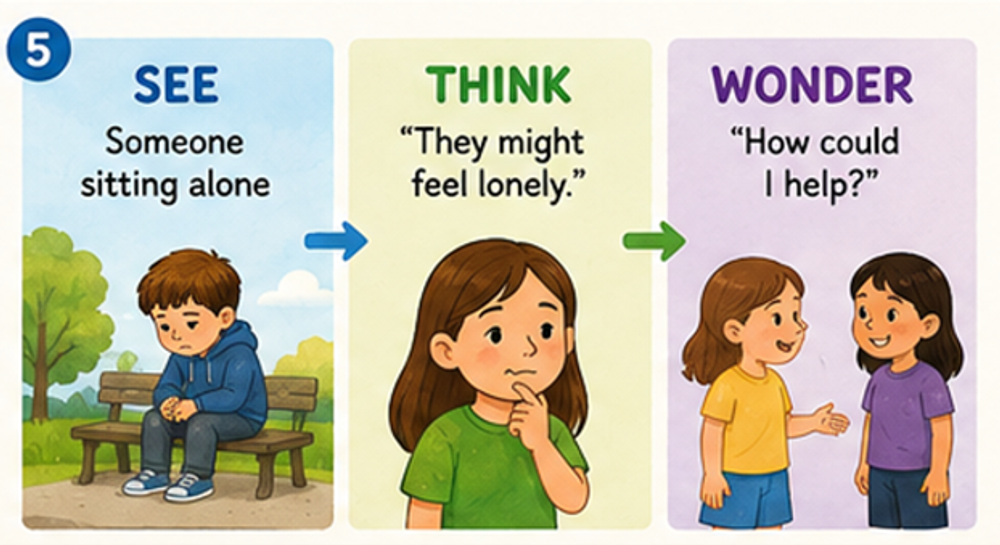
When children come to us upset about a friendship issue, our instinct is often to jump into problem-solving mode. However, many children first need to feel heard and understood.
Try responses such as:
- “That sounds really upsetting.”
- “Tell me what happened.”
- “How did that make you feel?”
Listening calmly and without judgement helps children process emotions and feel supported.
Encourage Honest and Respectful Communication
Many friendship difficulties grow because children avoid difficult conversations or rely on assumptions rather than clarification. Encouraging children to speak openly — kindly and respectfully — can help prevent misunderstandings from escalating.
One helpful strategy is teaching children to use “I statement”, which allow them to express feelings without blaming the other person.
For example:
- Instead of: “You ignored me.”
- Try: “I felt left out when I wasn’t included.”
- “I statements” can help children communicate more clearly while reducing defensiveness in the other person.
Resist the Urge to “Fix” It Immediately
It can be tempting to contact another parent, intervene quickly, or encourage children to end a friendship altogether. While there are certainly times when adult involvement is necessary, many everyday friendship conflicts are important learning experiences.
Supporting children to:
- reflect on what happened,
- consider another perspective,
- apologise when needed, and
- repair relationships respectfully
helps build lifelong interpersonal skills.
Help Children Practice Repair
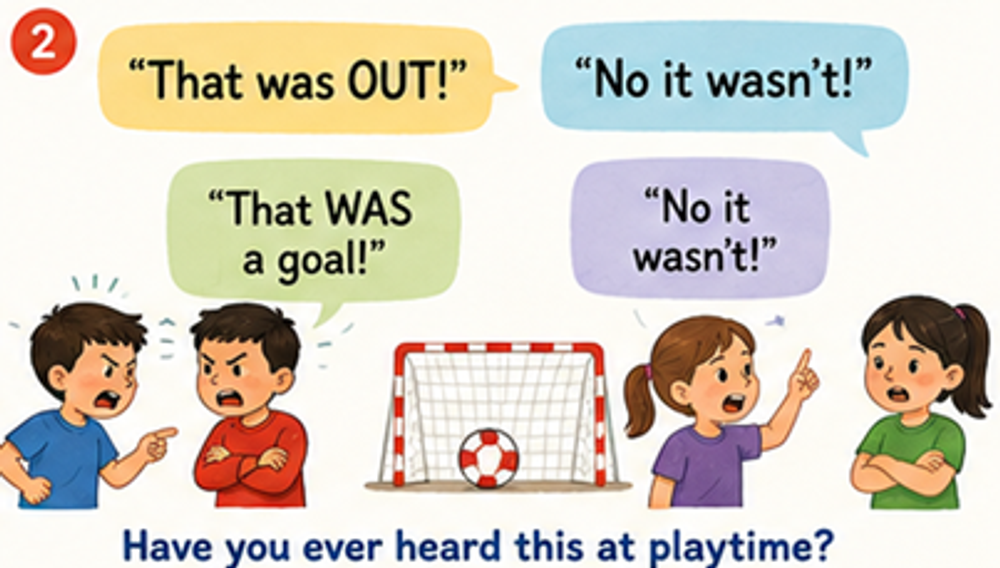
Conflict does not always mean a friendship is failing. In healthy relationships, disagreements happen — and learning how to repair after conflict is an important skill.
You might help your child practise phrases such as:
- “I’m sorry for my part in this.”
- “Can we start again?”
- “I didn’t mean to hurt your feelings.”
- “Can we talk about what happened?”
Children often need reassurance that difficult conversations can strengthen friendships rather than end them.
Model Healthy Relationships at Home
Children learn a great deal by observing the adults around them. Modelling calm communication, respectful disagreement, apologising when needed and working through misunderstandings sends a powerful message about how relationships can be handled positively.
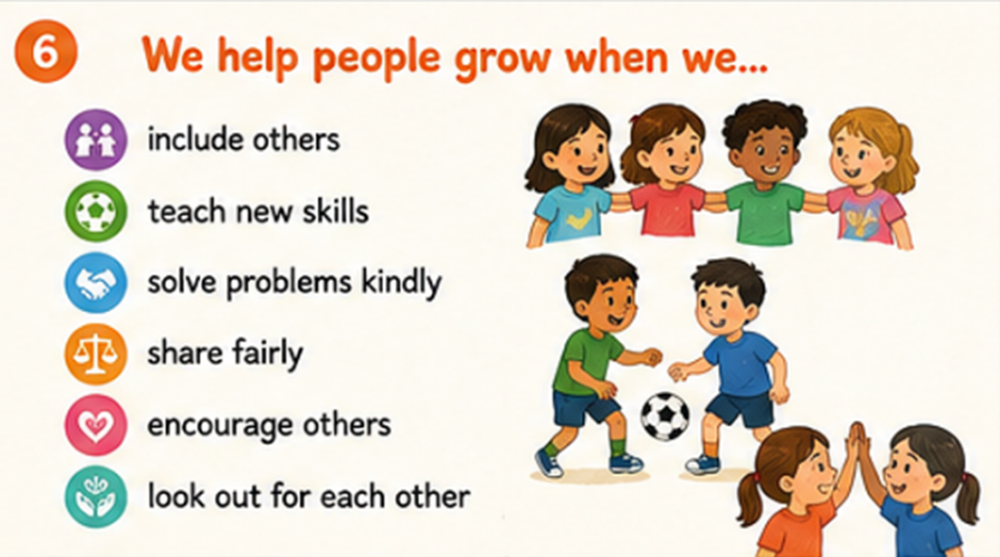
At every age, learning how to maintain healthy friendships is part of growing up. With patience, support and guidance, children can develop the confidence and communication skills needed to build strong and respectful relationships.
Mr Brendan Macaulay, Head of Student Counselling and Mrs Amanda Kratzmann, College Counsellor






 Pacific Lutheran College will be participating in the 2026 Premier’s Reading Challenge (PRC). The Library Team is inviting all students from Prep - Year 9 to join in the challenge and read for pleasure and learning. This year’s reading period will run from 11 May to 28 August coinciding with the end of the Children’s Book Council of Australia Book Week.